Natural health product · Health Canada NPN on every bottle

GlucoPril: a liquid natural health product with berberine, gymnema, cinnamon, banaba and chromium*

A 30 ml dropper bottle you take as directed on the label. We list every ingredient and amount, explain what research does and does not show, and tell you plainly about interactions and who should not use it.

  • Health Canada NPN on every bottle
  • Full ingredient disclosure
  • 60-day money-back guarantee

Not a treatment for diabetes. Talk to your doctor or pharmacist about your medicines before using GlucoPril.

*Amounts per serving are printed on the product label. Learn about each one in the Ingredients section.

GlucoPril 30 ml amber glass dropper bottle with black dropper cap and red-and-white label reading Supports Healthy Glucose Metabolism, Dietary Supplement

GlucoPril is a natural health product; its NPN is printed on every bottle. Consult a healthcare practitioner before use if you have a medical condition, take prescription medication (including diabetes medicines) or are pregnant or breastfeeding. Not a treatment for diabetes. Individual results may vary. Report adverse reactions to Health Canada.

Quick answers

What is in GlucoPril, in 60 seconds

Details and sources for each answer are further down the page.

What is it?
A liquid natural health product licensed by Health Canada, taken by dropper as directed on the label.
What's in it?
Berberine, gymnema sylvestre leaf, cinnamon bark, banaba leaf and chromium, plus listed non-medicinal ingredients.
Does it treat diabetes?
No. It is not a treatment for diabetes and never a replacement for prescribed medicine or your care plan.
Safe with my medicine?
Ask first. Three ingredients may lower blood sugar and berberine interacts with many drugs.
How do I take it?
Exactly as the label says, measured with the built-in dropper. Never exceed the dose.
What does it cost?
$49 to $89 CAD per 30-day bottle depending on package. Taxes calculated at checkout.

The basics

What is GlucoPril?

GlucoPril is a natural health product (NHP) in liquid form. In Canada, NHPs include vitamins, minerals, herbal remedies and other products sold for self-care. Each one needs a product licence from Health Canada and an eight-digit Natural Product Number (NPN) on its label before it can be sold.

GlucoPril combines five medicinal ingredients in a liquid base: berberine, gymnema sylvestre leaf extract, cinnamon bark, banaba leaf extract and chromium. You measure each serving with the dropper built into the cap.

It is meant for adults as one small part of a healthy lifestyle, alongside balanced eating, regular movement and the care plan you already have. It is not a treatment for diabetes, and it should never replace medicine prescribed by your doctor.

Why we wrote such a long page

Supplement marketing often promises more than the evidence supports. We would rather tell you what each ingredient is, what small studies have found, where the evidence is weak, and which medicines it can interact with. Then you and your pharmacist can decide if it is right for you.

What it is

  • • A Health Canada-licensed natural health product
  • • A liquid you measure with a dropper
  • • Fully disclosed: every ingredient and amount listed
  • • For adults, as part of healthy habits

What it isn't

  • • A treatment or cure for diabetes or any disease
  • • A substitute for insulin, metformin or other medicines
  • • A shortcut that replaces diet and activity
  • • Suitable during pregnancy or breastfeeding

About this page

Written by the GlucoPril team and reviewed for accuracy against public Health Canada, NIH and Diabetes Canada sources listed in Sources & References.

Every factual statement is linked to a public source.

Label & NPN

How to read a Natural Product Number (NPN) and the GlucoPril label

An NPN is an eight-digit number Health Canada assigns after it reviews a product's ingredients, dose, directions and claims. It tells you the product was licensed for a specific recommended use. It does not mean Health Canada endorses the brand, or that the product works for every person.

Check our NPN yourself in 3 steps

  1. 1Open Health Canada's Licensed Natural Health Products Database.
  2. 2Enter the eight-digit NPN from your GlucoPril bottle in the product number field and search.
  3. 3Compare the licence holder, medicinal ingredients, dose and recommended use with the bottle in your hand.

What is a monograph?

A monograph is a Health Canada reference document for a single ingredient. It sets out acceptable sources, doses, recommended uses and the cautions that must appear on labels. Products that follow a monograph can be licensed more quickly. You can browse monographs in the Natural Health Products Ingredients Database.

NPN label reader

Every line on the bottle and licence, decoded
Product name
“GlucoPril”. Must match the licensed brand name in the database exactly.
NPN (8 digits)
Proof of a Health Canada product licence. Homeopathic products use “DIN-HM” instead.
Dosage form
Liquid (drops). Tells you how it is taken and measured.
Recommended use
The exact wording Health Canada approved for the product. It is the only health claim a licensed product may make.
Medicinal ingredients
Each active ingredient with its amount per dose, source material and, for extracts, the ratio (e.g. 10:1).
Non-medicinal ingredients
The liquid base, sweeteners, preservatives and flavours. Check this line for allergens or alcohol.
Recommended dose
Amount, frequency and whether to take with food. Adults only.
Cautions & warnings
When to consult a practitioner first (e.g. diabetes medicines, liver disease). Read these before the first dose.
Contraindications
Situations where you should not use it at all, such as pregnancy or breastfeeding.
Known adverse reactions
Side effects that have been reported, such as stomach upset.
Storage conditions
Temperature and light conditions that keep the product stable until expiry.
Lot number & expiry
Lets us trace the batch. Do not use after the expiry date.
Licence holder
The company name and Canadian address responsible for the product in Canada.
Net quantity
30 ml (1 fl oz). About 30 daily servings at the labelled dose.
Bilingual text
Canadian NHP labels carry English and French on the outer label.

GlucoPril ingredients

What is in GlucoPril: five ingredients, explained honestly

Each card shows what the ingredient is, what it has traditionally been used for, what human studies show, and the main caution. Evidence levels are our plain-language summary of the sources linked on each card.

Exact amounts per serving are printed on the GlucoPril label.

Icon-style illustration of the five GlucoPril ingredients: goldenseal-type root for berberine, gymnema leaves, cinnamon bark sticks, banaba leaves and a chromium mineral crystal

Berberine

Plant alkaloid

Evidence: some

What it is: a bitter yellow plant alkaloid found in goldenseal, barberry and Oregon grape. It has long been used in traditional Chinese and Ayurvedic practice for digestive complaints.

What research shows: many small, short trials have looked at berberine and blood sugar or lipids. Reviews note the studies vary widely in quality, and large long-term trials are lacking.

Caution: interacts with many medicines, including diabetes drugs and cyclosporine. Not for pregnancy, breastfeeding or infants. Common side effects are constipation, diarrhea and cramping.

Sources: NCCIH · Umbrella review (2023)

Gymnema sylvestre

Leaf extract

Evidence: limited

What it is: a woody climbing plant from India and Africa. Its Hindi name, “gurmar”, means “sugar destroyer” because chewing the leaf briefly dulls the taste of sweetness.

What research shows: a handful of small studies suggest gymnema may lower blood sugar. Most were short, used different extracts and lacked rigorous controls.

Caution: may add to the effect of diabetes medicines and cause low blood sugar. Rare case reports of liver injury exist. Gymnema side effects can include nausea and stomach upset.

Sources: NCCIH: diabetes & supplements · HC monographs

Cinnamon bark

Bark · species named on label

Evidence: inconsistent

What it is: the dried inner bark of Cinnamomum trees. Cassia (Chinese) cinnamon is what most Canadian grocery stores sell; Ceylon (“true”) cinnamon comes mainly from Sri Lanka.

What research shows: studies of cinnamon supplements and blood sugar have produced conflicting results. NCCIH concludes the evidence does not clearly show a benefit for any health condition.

Coumarin note: Cassia contains far more coumarin than Ceylon. In large amounts coumarin can harm the liver, especially in sensitive people.

Sources: NCCIH · CFIA coumarin survey

Banaba leaf

Leaf extract

Evidence: limited

Banaba leaf, what is it? The leaf of Lagerstroemia speciosa, a flowering tree native to Southeast Asia. In the Philippines, the leaves are traditionally brewed as tea.

What research shows: evidence comes from a few small, short human studies, mostly of a compound called corosolic acid. They hint that banaba may lower blood sugar, but are far too limited to draw conclusions.

Caution: may add to diabetes medicines. Long-term safety is not well studied; talk to a practitioner if you have kidney disease.

Sources: Health Canada NHPID · Diabetes Canada CPG

Chromium

Essential trace mineral

Evidence: mixed

What it is: a trace mineral your body needs in tiny amounts. It is thought to help insulin do its job, and most Canadians get enough from food.

Chromium picolinate benefits and side effects: supplement studies give mixed results, and NIH notes the evidence is inconsistent. Side effects are uncommon but can include stomach upset and headache.

Caution: may affect levothyroxine absorption, and antacids or acid reducers may affect chromium. Rare kidney and liver problems reported at high doses.

Sources: NIH ODS fact sheet · HC Dietary Reference Intakes

Non-medicinal ingredients

These carry, preserve and flavour the liquid. They have no intended health effect but matter for allergies, alcohol avoidance and taste.

  • The liquid base
  • Any sweetener used for taste
  • Preservatives and flavours
  • Whether alcohol is used
  • All listed in full on the label
See the full label reader →

Evidence

Ingredient evidence meter: what studies do and don't show

The meter reflects the strength of human evidence for each ingredient on its own, not for GlucoPril as a combination. No clinical trial has tested this exact formula, and we will not imply otherwise.

Ingredient evidence meter
Ingredient Traditional use What studies show Evidence meter Main caution
Berberine Digestive complaints, infections Many small trials on blood sugar and lipids; uneven quality

Some

Many drug interactions; GI upset
Gymnema Ayurvedic herb for “sweet urine” Few small, short studies; may lower blood sugar

Limited

Low blood sugar with medicines; rare liver injury
Cinnamon bark Spice; digestive aid Conflicting results; no clear benefit shown

Inconsistent

Coumarin in Cassia (liver)
Banaba leaf Filipino folk tea Very few small studies, mostly of corosolic acid

Limited

Additive with diabetes medicines
Chromium Essential trace mineral Essential role is established; supplement effects are mixed

Mixed

Levothyroxine timing; high doses

Meter: 1 = very limited or conflicting, 5 = consistent results from large, well-designed trials. Based on NCCIH, NIH ODS and Diabetes Canada sources.

Foods high in chromium

You don't need a supplement to get chromium. Health Canada sets an Adequate Intake of 35 mcg a day for men 19–50 and 25 mcg for women 19–50, dropping to 30 and 20 mcg after age 50.

Amounts in food vary a lot with soil, processing and even the steel cookware used, so treat the numbers as rough guides. A varied plate of vegetables, whole grains and protein usually covers your needs.

Chromium food sources (approximate, per serving)
Food Serving Chromium (mcg)
Broccoli ½ cup (125 ml) 11
Grape juice 1 cup (250 ml) 8
Whole wheat English muffin 1 muffin 4
Potatoes, mashed 1 cup (250 ml) 3
Beef cubes 3 oz (85 g) 2
Turkey breast 3 oz (85 g) 2
Whole wheat bread 2 slices 2
Apple, unpeeled 1 medium 1
Green beans ½ cup (125 ml) 1

Source: NIH Office of Dietary Supplements. Intake values: Health Canada DRI tables.

Safety & interactions

Are natural health products safe with diabetes medicine?

Sometimes, but never assume so. Berberine, gymnema and banaba may each lower blood sugar. Taken with medicines that also lower it, the combined effect could push your levels too low. Berberine also changes how the liver breaks down many other drugs.

Diabetes Canada advises telling your care team about every natural health product you take. Bring the bottle to your pharmacist; it takes them a few minutes to check.

Does it interact with your medicine?

Possible interactions between GlucoPril ingredients and medicines
Medicine Ingredient(s) of concern Why it matters What to do
Insulin Berberine, gymnema, banaba, chromium Added blood-sugar lowering; risk of hypoglycemia Do not start without your prescriber
Sulfonylureas (gliclazide, glyburide) Berberine, gymnema, banaba These already carry a low-blood-sugar risk Ask your doctor first
Metformin Berberine Both may lower blood sugar; berberine may affect metformin levels; both can upset the stomach Ask your doctor or pharmacist
Other diabetes medicines (DPP-4, SGLT2, GLP-1) Berberine, gymnema, banaba Combined effects not studied Ask your pharmacist
Cyclosporine, tacrolimus Berberine Berberine can raise blood levels of these drugs Avoid unless approved
Drugs broken down by liver enzymes (CYP450) Berberine Includes some blood thinners, statins, antidepressants and sedatives Pharmacist review needed
Levothyroxine Chromium Chromium may reduce absorption Separate doses by 3–4 hours
Antacids, PPIs, H2 blockers Chromium May change chromium absorption Mention to your pharmacist
Medicines that affect the liver Gymnema, Cassia cinnamon Rare liver reports; coumarin load Ask before combining

Berberine side effects and other situations to know about

Pregnancy & breastfeeding

Do not use. Berberine can cause or worsen jaundice in newborns and may pass into breast milk.

Liver & kidneys

Talk to a practitioner first if you have liver or kidney disease. Stop and seek care for yellowing skin, dark urine or abdominal pain.

Before surgery

Tell your surgical team. Products that may affect blood sugar are often stopped about two weeks before a scheduled procedure.

GlucoPril side effects

Possible: nausea, cramping, constipation, diarrhea, gas, headache. Stop use and report anything serious to MedEffect Canada.

How to take it

Label directions and storage

Always follow the directions printed on your bottle; they are the ones Health Canada approved. The steps below walk you through using the dropper safely.

Do not exceed the recommended dose.

Taking more will not work “faster” and raises the risk of side effects and interactions.

  1. STEP 1

    Check the seal

    Do not use if the safety seal is broken or missing. Check the expiry date.

  2. STEP 2

    Shake and measure

    Shake gently. Fill the dropper to the amount shown on the label.

  3. STEP 3

    Take as directed

    Take it as often as the label directs, with or without food as stated. Never take extra to make up a missed dose.

  4. STEP 4

    Space it out

    If you take levothyroxine, separate doses as your pharmacist advises.

Storage

  • • Store in a cool, dry place, away from direct light
  • • Keep out of reach of children
  • • Close the dropper cap tightly after each use
  • • Do not use after the expiry date on the bottle

Healthy eating habits, Canada

A healthy eating and movement planner based on Canada's Food Guide

No natural health product does the work that food and movement do. Canada's Food Guide suggests a simple plate model and a few habits that matter as much as what you eat.

Build your plate

  • ½ vegetables & fruit
  • ¼ whole grain foods
  • ¼ protein foods
  • Water as your drink of choice

Habits the Food Guide highlights

  • • Cook more often and plan meals ahead
  • • Eat with others when you can
  • • Be mindful of eating habits and hunger cues
  • • Read nutrition labels; limit highly processed foods

Sources: Canada's Food Guide · Dietitians of Canada (Unlock Food)

Sample week: food and movement
Day Food focus Movement
Mon Add a vegetable to breakfast 30-min brisk walk
Tue Swap white bread for whole grain Strength: squats, push-ups, bands
Wed Beans or lentils as protein 30-min bike ride or swim
Thu Water instead of sugary drinks 10-min walk after each meal
Fri Fish or chicken with ½ plate veg Strength session #2
Sat Cook a meal with family or friends Hike, skate or garden 45 min
Sun Plan and prep next week's meals Gentle stretch or yoga

Weekly target for adults 18–64: at least 150 minutes of moderate-to-vigorous activity, muscle strengthening twice a week, and less time sitting, per the Canadian 24-Hour Movement Guidelines. Check with your doctor before starting a new exercise routine.

Compare

Liquid vs capsule supplement: a fair comparison

Neither format is automatically better. We do not claim that liquids are absorbed better; the right choice depends on how you like to take things and what the label discloses.

Liquid (dropper)

  • No pills to swallow
  • You can see each measured dose
  • Taste can be strong or bitter (berberine)
  • May contain glycerin, sweeteners or alcohol
  • Accuracy depends on careful measuring

Capsule or tablet

  • Fixed, pre-measured dose
  • Tasteless and easy to carry
  • Usually longer shelf life once opened
  • Can be hard to swallow for some people
  • May contain fillers, binders or gelatin

How GlucoPril compares with generic options

Comparison of GlucoPril with generic chromium and herbal supplements
Attribute GlucoPril (liquid) Generic chromium capsule Generic herbal blend tablet Generic herbal liquid
NPN on label Yes, on every bottle Required in Canada; check label Required in Canada; check label Required in Canada; check label
Ingredients & amounts disclosed All, incl. extract ratios Usually (single ingredient) Varies; blends may hide amounts Varies
Chromium per serving Listed on label Often 200 mcg or more Varies or none Varies or none
Third-party testing No claim made Look for a named lab or seal Look for a named lab or seal Look for a named lab or seal
Price per daily serving $1.63–$2.97 CAD Typically lower (single nutrient) Varies by brand Varies by brand
Return terms 60-day money-back Retailer policy Retailer policy Retailer policy

Generic columns describe typical products, not specific brands. Always compare actual labels.

Pricing

Choose your GlucoPril package

Each 30 ml bottle covers 30 days at the labelled dose. Prices in Canadian dollars; GST/HST/PST is calculated at checkout. One-time purchase, no subscription.

Best Value

180 Day Supply

6 bottles · 180 days

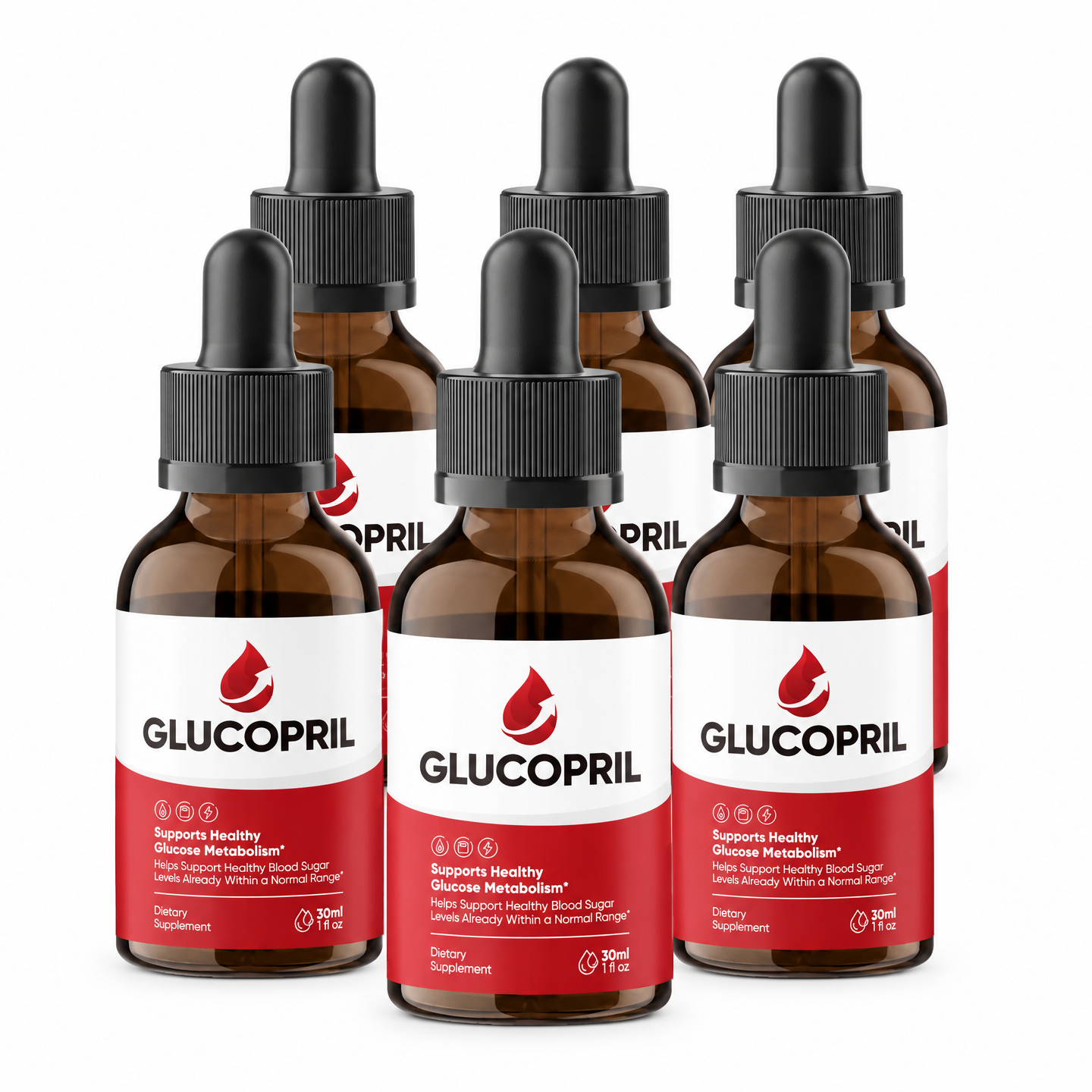
Six GlucoPril 30 ml dropper bottles grouped together, a 180-day supply

$49

CAD per bottle

≈ $1.63 per day

YOU SAVE $294

BUY NOW

60 Days Money-Back Guarantee

Total: $588† $294 CAD

+ Free Shipping in Canada

Most Popular

90 Day Supply

3 bottles · 90 days

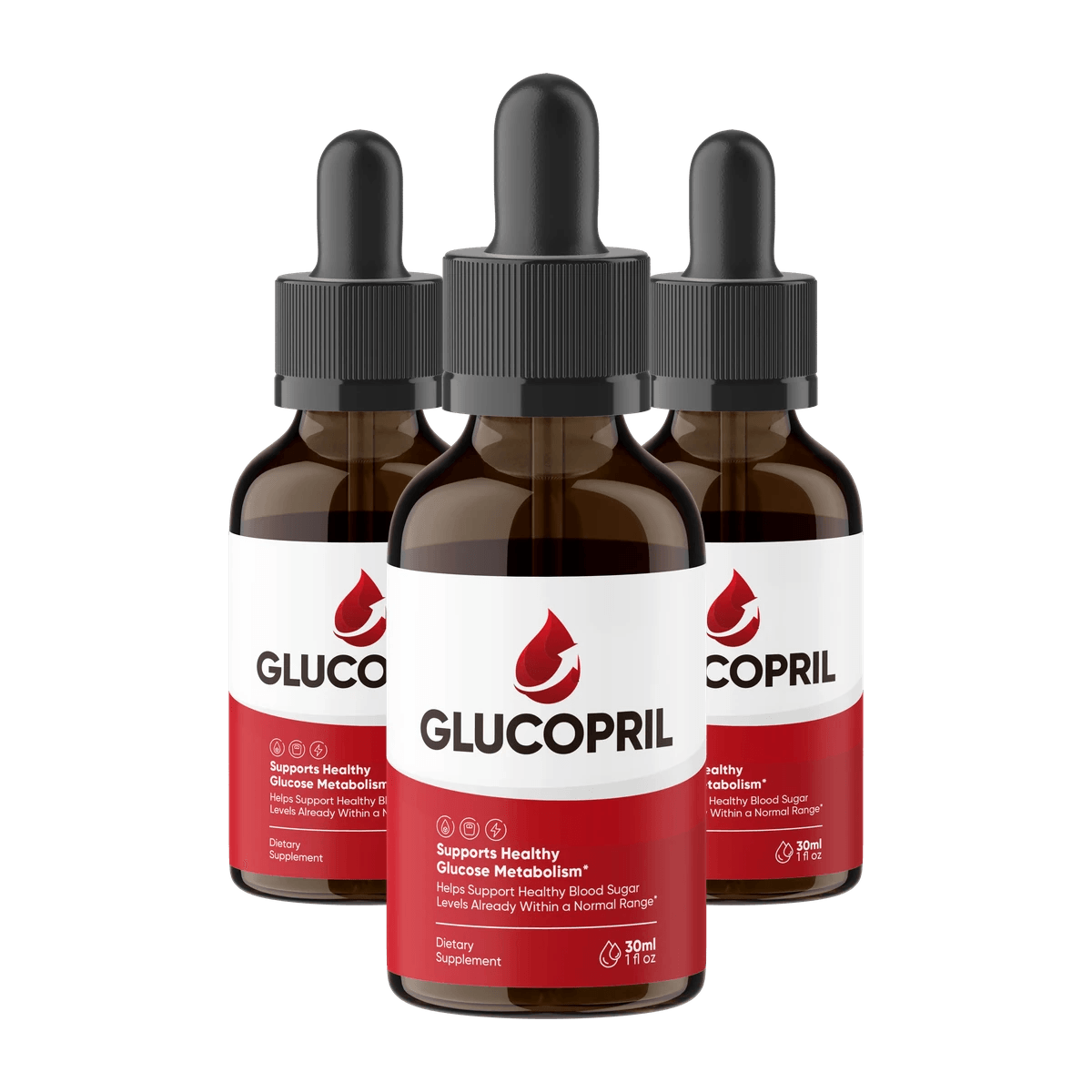
Three GlucoPril 30 ml amber dropper bottles with red-and-white labels, a 90-day supply

$69

CAD per bottle

≈ $2.30 per day

YOU SAVE $200

BUY NOW

60 Days Money-Back Guarantee

Total: $407† $207 CAD

+ Free Shipping in Canada

Try One

30 Day Supply

1 bottle · 30 days

One GlucoPril 30 ml amber dropper bottle, a 30-day supply

$89

CAD per bottle

≈ $2.97 per day

YOU SAVE $100

BUY NOW

60 Days Money-Back Guarantee

Total: $189† $89 CAD

+ Shipping (shown at checkout)

Taxes (GST/HST/PST) are added at checkout based on your province.

International orders ship only where GlucoPril can lawfully be sold. Duties, local taxes and card conversion fees may apply and are not included.

† Regular price shown is our ordinary selling price for the same quantity.

Our 60-day money-back guarantee, in plain terms

If GlucoPril isn't right for you, you can ask for a refund within 60 days of delivery. No questions about why.

  • Applies to opened and unopened bottles
  • Email care@glucopril.ca with your order number
  • Refund to your original payment method
  • Covers every package size

Full terms in our Returns Policy.

FAQ

GlucoPril questions, answered honestly

Twenty-one of the questions we hear most, including the ones about side effects, medicines and what GlucoPril can't do.

What is GlucoPril?

GlucoPril is a liquid natural health product sold in Canada, taken by dropper as directed on the label. It contains berberine, gymnema sylvestre, cinnamon bark, banaba leaf and chromium. It is not a treatment for diabetes or any other disease.

What does GlucoPril contain?

Each serving contains berberine, gymnema sylvestre leaf extract, cinnamon bark, banaba leaf extract and chromium, plus non-medicinal ingredients that carry and preserve the liquid. Exact amounts, extract ratios and the full non-medicinal list are printed on the product label.

What is GlucoPril's NPN?

GlucoPril's eight-digit Natural Product Number (NPN) is printed on every bottle. You can check it by searching that number in Health Canada's Licensed Natural Health Products Database, which shows the licence holder, ingredients and approved use.

How do I take GlucoPril?

Take it exactly as directed on the label, using the built-in dropper to measure each serving. Do not exceed the recommended dose, and talk to a healthcare practitioner first if you take any prescription medicine.

Will GlucoPril lower my blood sugar or help with diabetes?

No. GlucoPril is not a treatment for diabetes and should never replace diabetes medicines, a meal plan or advice from your care team. Some of its ingredients have been studied for blood sugar in small trials with mixed results, which is why we flag possible interactions with diabetes medicines.

How long before I see results?

We do not promise any results or timeline. Natural health products affect people differently, and individual results may vary. If you are unsure whether it is right for you, talk to your pharmacist or doctor.

Is GlucoPril safe to take with diabetes medicines?

Not without talking to your doctor or pharmacist first. Berberine, gymnema and banaba may lower blood sugar, which could add to the effect of insulin, sulfonylureas or metformin and raise the risk of low blood sugar. Your care team may advise extra blood sugar checks or advise against using it.

Is GlucoPril safe?

GlucoPril is licensed by Health Canada as a natural health product, which means its ingredients, dose and label claims were reviewed for safety, efficacy and quality for the stated use. That does not make it right for everyone, so read the cautions and warnings on the label and in the Safety section first.

Are there side effects?

Possible side effects include nausea, cramping, constipation, diarrhea, gas or headache, mostly reported for berberine and chromium. Rare liver problems have been reported with gymnema and with large amounts of cassia cinnamon. Stop use and contact a healthcare practitioner if you notice anything unusual, and report adverse reactions to Health Canada.

Who should not take GlucoPril?

Do not use GlucoPril if you are pregnant or breastfeeding, under 18, or allergic to any ingredient. Talk to a healthcare practitioner first if you have liver or kidney disease, take prescription medication, have surgery scheduled or have a history of low blood sugar.

Does GlucoPril contain alcohol?

The non-medicinal ingredients list on the bottle states whether alcohol is used. If you avoid alcohol for health, religious or personal reasons, check that list or contact us before ordering.

Is GlucoPril third-party tested?

We will only describe GlucoPril as third-party tested once we can name the laboratory and publish a certificate of analysis for the current lot. Until then, we make no third-party testing claim.

Is there a subscription?

No. Every package on this page is a one-time purchase and you will not be billed again automatically.

How do shipping, returns and the guarantee work in Canada?

Prices are in Canadian dollars and applicable GST/HST/PST is calculated at checkout. The 3- and 6-bottle packages ship free within Canada; the single bottle has a shipping fee shown at checkout. Every order is covered by a 60-day money-back guarantee from the date of delivery; email care@glucopril.ca to start a return.

Can I take GlucoPril with metformin?

Only if your doctor or pharmacist agrees. Berberine and metformin may both lower blood sugar, and some studies suggest berberine may affect how the body handles metformin. Your care team can decide whether the combination is appropriate and how to monitor it.

What is the difference between Cassia and Ceylon cinnamon?

Cassia cinnamon is the most common type in grocery stores and contains much more coumarin, a natural compound that can affect the liver in large amounts. Ceylon cinnamon contains very little coumarin. The GlucoPril label states which species is used.

Is a liquid better than a capsule?

Not necessarily. Liquids can be easier for people who dislike swallowing pills, while capsules offer a fixed, tasteless dose that is easy to carry. We do not claim that a liquid is absorbed better than a capsule.

Can I get chromium from food instead?

Yes. Broccoli, whole grains, potatoes, beef, turkey, apples and grape juice all provide some chromium, and a varied diet usually meets adult needs. See the chromium food-sources table on this page for typical amounts.

Do you ship outside Canada?

We ship internationally only to countries where GlucoPril can lawfully be sold. International orders may be charged duties, taxes and currency conversion fees by customs or your bank, which are not included in our CAD prices.

Is GlucoPril information available in French?

Yes. A French version of this page is available from the FR link in the header, and the product label carries English and French text as required in Canada.

Are there GlucoPril reviews?

Not yet. We only publish reviews from verified purchasers, and we will not show reviews or star ratings until we have genuine ones to share.

Read the label, talk to your pharmacist, then decide.

If GlucoPril fits your routine, every package is covered by our 60-day money-back guarantee. Prices from $49 CAD per bottle.

Not a treatment for diabetes. Health Canada NPN printed on every bottle.

Three GlucoPril amber dropper bottles with red-and-white labels standing together

Sources & References

Where every fact on this page comes from

We link only to public pages from governments, regulators and recognised health organisations. If a link breaks or a page changes, email care@glucopril.ca and we will update this list.

Banaba has no dedicated NCCIH fact sheet; statements about it reflect the limited evidence noted in Diabetes Canada's guideline chapter and Health Canada's ingredient database.